


call now for help
jennifer granger
Know Your Rights During a Police Stop in California
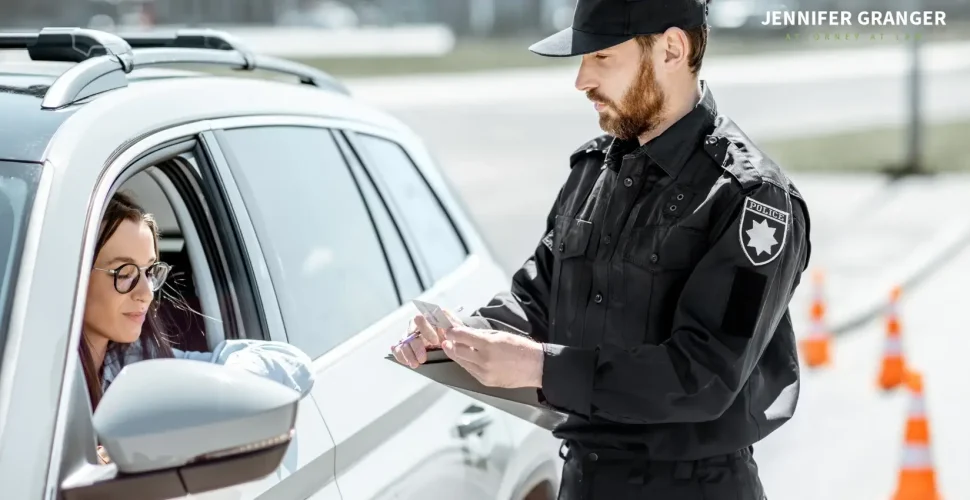
There are strict procedures officers must follow during police stops in California. Failing to perform stops properly can violate your rights and cause lasting consequences. It’s important to know your rights during a police stop in California. If your rights were violated during a police stop, you may need to hire a criminal defense lawyer to receive the justice you deserve.
Constitutional Rights During Police Stops
Your constitutional rights protect you in many ways when interacting with law enforcement. In the case of police stops, these rights are extremely important. When constitutional rights are found to be violated or denied during a police stop, any evidence collected during the stop becomes inadmissible in court.
For example, the Fourth Amendment protects citizens from unlawful government interference. Meaning an officer cannot pull you over, stop you, or search your person/vehicle without reasonable suspicion.
Your Fifth Amendment right would be violated if an officer denied or violated your right to remain silent after it was invoked.
The Sixth Amendment, which provides the right to legal counsel, is violated if you are denied an attorney during a police stop or subsequent arrest. A skilled criminal defense attorney can review evidence from a police stop to determine if any rights were violated. Evidence investigated may include:
- Police reports
- Eyewitness reports
- Security camera footage
- Bodycam footage
- Any relevant documentation
Types of Police Stops in California
There are two main categories of police stops: vehicle stops and pedestrian stops. California residents experienced 4.6 million police stops in 2022 alone. Vehicle stops may happen in cases of DUI, speeding, running red lights, and other traffic violations. If the driver is not obviously impaired or driving recklessly, reasonable suspicion may not be present, making the stop illegal.
Pedestrian stops, sometimes referred to as “stop and frisks” or street stops, occur when an officer stops a pedestrian if they have reasonable suspicion of criminal activity. Stopping a person without reasonable suspicion is a violation of their rights.
Stopping and searching someone without reasonable suspicion may be due to racial profiling, which is a Civil Rights violation that requires legal counsel to combat. In a 2024 report, the Racial and Identity Profiling Advisory Board analyzed 2022 stop data and found that individuals who appeared to be Black, Hispanic/Latine, or Multiracial were searched more often by police officers than White-appearing individuals who were stopped.
In fact, those who were perceived to be Black were searched at a rate that was 8.2% higher than those who were perceived to be White.
Why Should I Hire a Criminal Defense Lawyer in California?
Police stops are often stressful experiences and not always made in good faith. Lack of probable cause and/or lack of reasonable suspicion during a police vehicle or street stop are violations of your rights. The right legal representation can advocate for you during your case and make sure every avenue of justice is explored. Without a thorough investigation, improper behavior on behalf of an officer during a stop may go undiscovered.
A California criminal defense attorney is familiar with the state’s complex laws and the local courts and can provide valuable assistance in your case. For example, a defense attorney can file a motion to suppress evidence under California Penal Code Section 1538.5 in cases where the evidence was gained in a fashion that violated the defendant’s Fourth Amendment rights.
Representing oneself in a criminal defense case is never advisable, and a judge may even deny a defendant’s request to represent themselves if they are not deemed competent enough to do so.
A criminal defense attorney gives defendants far more protection and a much better chance at a successful case outcome.
contact us today 530-460-4032
Dedicated California Criminal Defense – Jennifer Granger, Attorney at Law
Attorney Jennifer Granger is a Northern California resident of over 25 years and a longtime practicing attorney. She serves her community from Nevada to Sierra County with efficient, reliable legal representation. Her passion for criminal defense has won her clients countless cases in areas from DUIs to restraining orders. You can trust her to defend your case confidently.
FAQs
Do I Have to Roll Down My Window During a Traffic Stop in California?
While you do not have to fully roll down your window during a traffic stop in California, you will need to lower your window enough to communicate with the officer and transfer your identification and relevant documents. If you do not roll down your window, the officer may interpret this as a threat or refusal to cooperate, prompting them to escalate the situation, potentially to arrest.
Do the Cops in California Have to Tell You What You’re Being Stopped For?
Yes, if you are stopped by a police officer in California, they are required to tell you what you’re being stopped for unless they reasonably believe withholding the reason is necessary to protect a life or property from a threat. This was put into effect in 2024 with the California Assembly Bill 2773. The statute aims to eliminate, or at least significantly decrease, superfluous police stops.
This shows California’s recognition that many police stops occur in bad faith or at least without reasonable suspicion, demonstrating the need for an attorney to defend your case, especially if your rights were violated.
What Should I Do During a Police Stop in California?
The most advisable thing to do during a police stop is to remain calm. Keep your hands where the officer can see them at all times and provide documentation slowly and carefully when it is requested. You may also ask if you are free to go at any time. If the officer replies yes, you may leave; if not, you may be detained.
What Should I Say When a Cop Asks Where I’m Coming From?
If you are stopped by an officer and they ask you where you are coming from, you are not legally obligated to answer them. To avoid the risk of self-incrimination, you can tell the officer you don’t wish to answer any questions instead of staying silent or lying. You may also provide other vague answers, such as that you’re coming from work, home, or running errands.
Contact a California Criminal Defense Attorney
For more information regarding your rights during a police stop, contact Jennifer Granger, Attorney at Law. Protect yourself by hiring a skilled California criminal defense attorney for your legal needs today.
get in touch with us
fields marked with an *required field

address
office location:
224 main st.
nevada city, CA 95959
mailing address:
p.o. box 2514
nevada city, CA 95959
© Copyright 2026 Jennifer Granger, Attorney At Law. All rights reserved.
Digital Marketing By 